Sleeve Gastrectomy
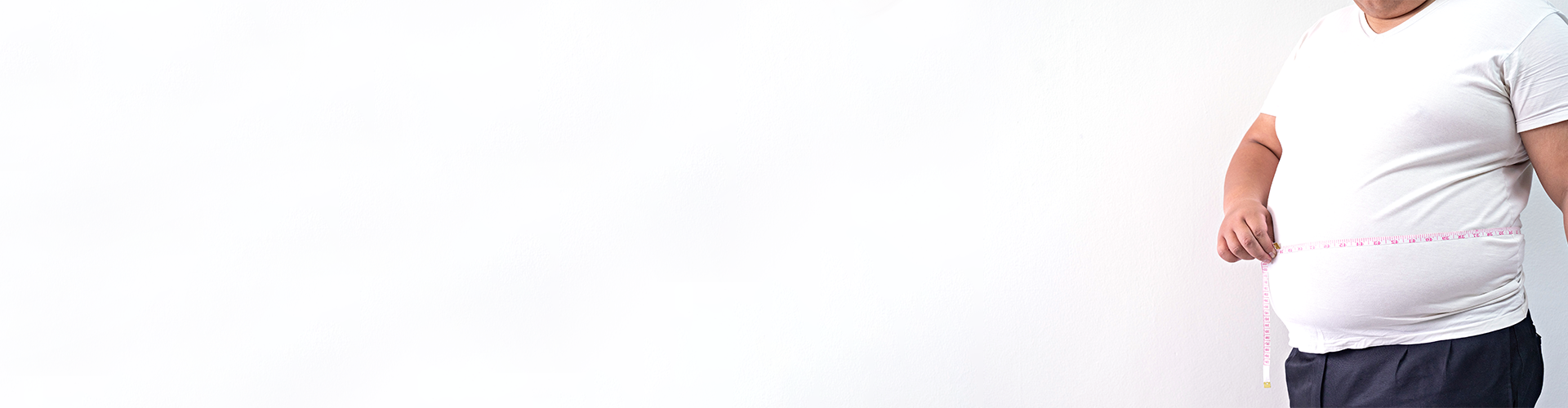
Sleeve gastrectomy is one of the weight-loss procedures. Mostly, a medical instrument/method called laparoscopy is used during the procedure. About 75-80% of the stomach is removed. A small, tube-like stomach is left behind. Since the size of the stomach is reduced, the patient can not eat as much as he/she did before.
Problems caused by excess weight are eliminated thanks to this surgery. Of course, following the surgeon's instructions and maintaining a healthy lifestyle has an impact on the permanence and success of the results.
Health Risks of Overweight
Being overweight brings with it both physical and psychological problems. Treating excess weight/obesity reduces the risks of various health problems. Some of the problems caused by excess weight:
- • Cancer,
- • Low self-esteem,
- • Difficulty in breathing,
- • Type 2 Diabetes,
- • Heart attack,
- • Feeling tired all the time,
- • Body pain.
Sleeve Gastrectomy Treatment Procedure
 Before the surgery
Before applying weight loss surgeries, non-surgical methods such as diet and doing sports should be tried, which the doctor will manage, if there is no result from these, sleeve gastrectomy should come into play. So, if you tried to lose weight in natural ways and didn’t succeed, you may consider this procedure.
The surgeon and the patient make a consultation first. The doctor listens to your expectations and complaints, obtains your medical history, and runs lab tests to decide whether you are suitable for the operation.
Before the surgery, you may start the exercises and stop smoking. You may also have to stop eating and drinking the day before the surgery. The medication you should take is determined. These all are administered by your surgeon.
During the surgery
Weight loss surgery methods determine by the patient's physical conditions and the degree of life-threatening excess weight. Sleeve gastrectomy can be done with the traditional method or with laparoscopically. Traditional sleeve gastrectomy is made with incisions. A large incision line is made in the abdomen. Laparoscopic sleeve gastrectomy, on the other hand, is done with a medical tool. A small medical instrument is inserted through incisions. Since this small tool has a camera attached to the tip of it, the surgeon can see through the body from the inside. The procedure takes approximately 1 to 2 hours.
After the Sleeve Gastrectomy Procedure
After the operation, the diet phase begins. Your meals should be sugar-free for the first week. After that, you can eat pureed foods for almost 4 weeks. Your doctor will prescribe you vitamin and mineral supplements. You should follow your surgeon's instructions and must attend follow-up appointments. After the sleeve gastrectomy procedure, you may experience tiredness, body aches, and such side effects. These are normal reactions to rapid weight loss.
FAQ
Your body mass index should be 40 or higher to undergo this surgery. However, if you have diseases such as Type 2 diabetes, your doctor may decide to have surgery even if your body mass index is between 35 and 40.
Before beginning the surgery, anesthesia is given to the patient. So, the patient doesn’t feel any pain during the surgery.
If you exercise regularly and pay attention to your diet, you will maintain your weight after recovery. However, unhealthy lifestyles and overeating also bring the risk of regaining weight.
SIMILAR TREATMENTS


CONTACT
You can send your questions, opinions and suggestions to us filling the information below. We will contact with you as soon as possible.
Information
Örnek Mahallesi, Ercüment Batanay Sk. No:14A, 34704 Ataşehir/İstanbul
