Duodenal Switch

Duodenal switch, also known as “biliopancreatic diversion” (BPD-DS) is a weight loss surgery performed to treat obesity. This procedure combines intestinal bypass and gastrectomy. People who suffer from obesity, or from overweight-related diseases such as Type 2 diabetes get a chance to be treated, thanks to this surgery.
What Does Duodenal Switch Mean?
Duodenal switch is a bariatric surgery procedure. It is performed by combining the different weight loss surgery steps: Sleeve gastrectomy and intestinal bypass. Treating morbid obesity is this procedure’s main purpose. Also, it is one of the important methods used to treat type 2 diabetes.
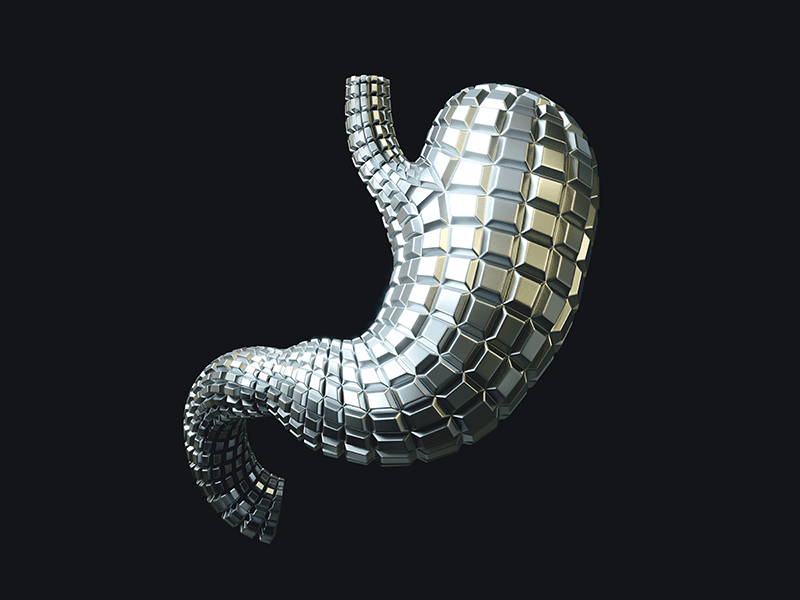
During the surgery, most of the stomach is removed; a small tube-shaped stomach remains. After dividing the intestine, it is attached to the ileum. The starting point for the intestinal bypass is the duodenum. Because of all these, this operation is called a duodenal switch.
Surgery Options for Duodenal Switch
Thanks to the development of medical technologies, this surgery can be performed quickly and safely. Moreover, there are different methods available. Robotic surgery, open surgery, and laparoscopic surgery can be used in duodenal switch surgery. These methods offer to choose the most ideal method according to the patient's physical condition. It should be added that duodenal switch prices may vary depending on which method is preferred.
Duodenal Switch Results

During the surgery, 60-70 percent of the stomach is removed. The patient has a chance to gradually lose 70 to 80 percent of his/her current weight. These are average ranges. Reaching the ideal weight occurs in about 2 years. The intestine is divided with gastric bypass and attached to the ileum. At least two-thirds of the intestine is bypassed. Combining gastrectomy and intestinal bypass offers highly effective results for those who have life-threatening overweight problems.
Duodenal Switch Recovery After Surgery
As with any invasive method, you must follow your doctor's instructions and recommendations after this surgery. You may experience some side effects, but these will fade out in time. Your doctor monitors you for observing your progress. Regular controls that start after the surgery may continue for several years. You should go to your doctor's appointments. Also, you must use vitamin and mineral supplements that your surgeon prescribed for you.
Adapting regular exercise to your life will be highly advantageous in both the short and long term. As we said above, the time required to reach the desired weight is usually two years, so you have to be patient, and be determined. In summary, if you adopt a healthy lifestyle and follow a process in accordance with the recommendations of your healthcare providers, you can easily achieve ideal results.
FAQ
Before the surgery, your surgeon talks with you. This consultation helps to be learned details about your complaints and expectations. During this period, necessary and even essential information such as BMI, general health status, and medical history is obtained.
Since major physical changes are predicted to occur, it is extremely important that the patient is ready for the process. Because surgery can be defined as a useful tool; One must be strong and determined.
It would not be correct to say that anyone suffering from obesity is a suitable candidate for surgery. After evaluating your body mass index, mental strength, and general health status, the final decision will be made.
SIMILAR TREATMENTS


CONTACT
You can send your questions, opinions and suggestions to us filling the information below. We will contact with you as soon as possible.
Information
Örnek Mahallesi, Ercüment Batanay Sk. No:14A, 34704 Ataşehir/İstanbul
