Otoplasty

Otoplasty is an aesthetic operation that helps to reshape the ears. Ear reshaping, correction, and treatment applications can be done with surgical and non-surgical methods. With ear surgery, both functional and cosmetic repair and improvement processes are performed. For example, correcting prominent ear problems is an aesthetic operation, while treating ear canal stenosis is a structural repair type.
Characteristics of Otoplasty Procedure
Otoplasty is an aesthetic operation applied for eliminating prominent ear problems. In fact, "ear aesthetics", which have a more general meaning, or "prominent ear aesthetics" are sometimes used instead of the term otoplasty.
- • If the ear is too large compared to the body/face or if it is larger than it should normally be, "ear reduction surgery" is performed.
- • If you have prominent ear symptoms, "prominent ear correction" is applied.
- • If the earlobe is larger than it should be, "earlobe reduction" treatment is performed.
The practices of changing the size, angle, and shape of the ears are included in otoplasty. Both the duration of the operation and the full recovery period may vary according to the otoplasty procedure. In addition, the person's medical history and the surgeon's success also affect the duration.
Otoplasty Treatment
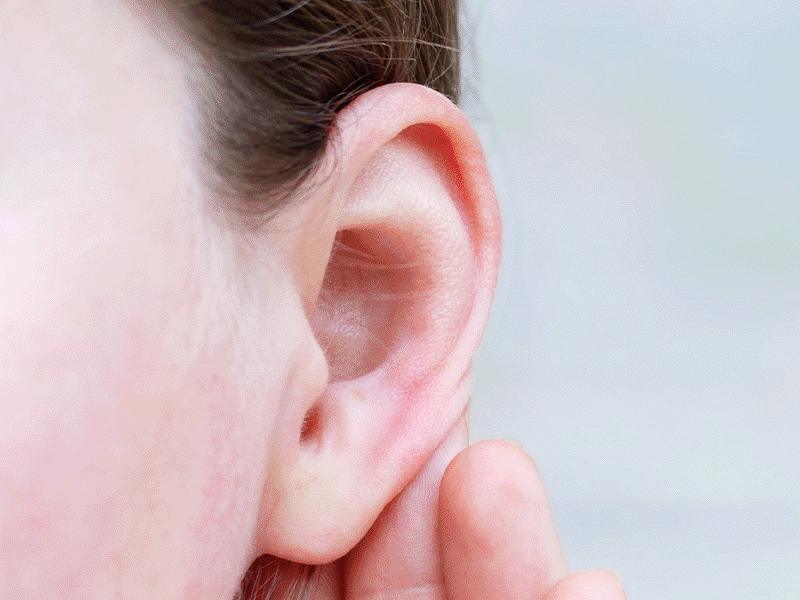 Otoplasty surgery generally consists of anesthesia, incision, and stitch-up steps. Before moving on to these, the doctor talks to the patient. Examines the patient's ear and face structure, and informs the patient about what can be done. He gives detailed information about risks, possible side effects, and complications. In addition, he examines the patient, learns the patient's medical history, and requests some tests.
The operation is performed under anesthesia, mostly local and general anesthesia is preferred. However, the anesthetist, doctor, and patient decide on the anesthesia method together. It should be noted that general anesthesia is commonly used in pediatric patients. First, an incision is made on the skin. The incision starts behind the ear. The cartilage tissue is brought to the desired shape, angle and size. Excess ear parts are removed and finally, the incision is closed with stitches.
Recovery After Otoplasty
After the operation, the patient is discharged from the hospital on the same day. This is an outpatient model operation. Depending on the side effects of anesthesia or in case of different situations, the patient may be discharged one day later. Otoplasty surgery takes 1-3 hours on average. Listening to the doctor's recommendations is the primary factor that accelerates the healing process.
- • The regular dressing should be applied to the incision area.
- • The incision site should be sterile and dry.
- • You shouldn't lay on the ears.
- • You should not scratch or irritate your ears and you should protect your ears against physical impacts.
FAQ
Otoplasty is performed to correct the prominent ear problem. This term also includes various correction/repair applications for the outer ear. For example, earlobe correction, repairing the symmetry problem, and treating the outer ear tissue are within the scope of otoplasty.
Otoplasty allows the ears to present an aesthetic overall effect, and this makes the face look more aesthetic. Especially in children, the problem of being bullied because of the prominent ear situation disappears. This provides a very important advantage for developing self-confidence.
Otoplasty is a type of aesthetic operation that can be performed on children, and usually, the child must be 5 years old, or over 5 years old. The reason for waiting until this age is related to the development of the ear structure.
SIMILAR TREATMENTS


CONTACT
You can send your questions, opinions and suggestions to us filling the information below. We will contact with you as soon as possible.
Information
Örnek Mahallesi, Ercüment Batanay Sk. No:14A, 34704 Ataşehir/İstanbul
