Rhinoplasty

Rhinoplasty refers to surgical procedures performed to reshape the nose and improve functional problems in the nose. It has a wide range of applications from treating breath problems to nose reduction. Various factors, including genetic factors and physical traumas as a result of accidents, lead people to undergo rhinoplasty.
What Does Rhinoplasty Mean?
Rhinoplasty is a type of operation performed to change the shape and structure of the nose. Rhinoplasty procedures applied on the basis of functional and aesthetic reasons are very popular. For example, while aesthetic-based operations come into play for those who are not satisfied with the look of the nose tip or nostrils, functional rhinoplasty methods come to the fore for patients who have breathing issues or who cannot get enough oxygen due to nasal bone problems. It is possible to say that the wide extent presents a wide treatment list under this medical aesthetics section. Rhinoplasty prices are determined by the type of procedure.
Rhinoplasty Treatment
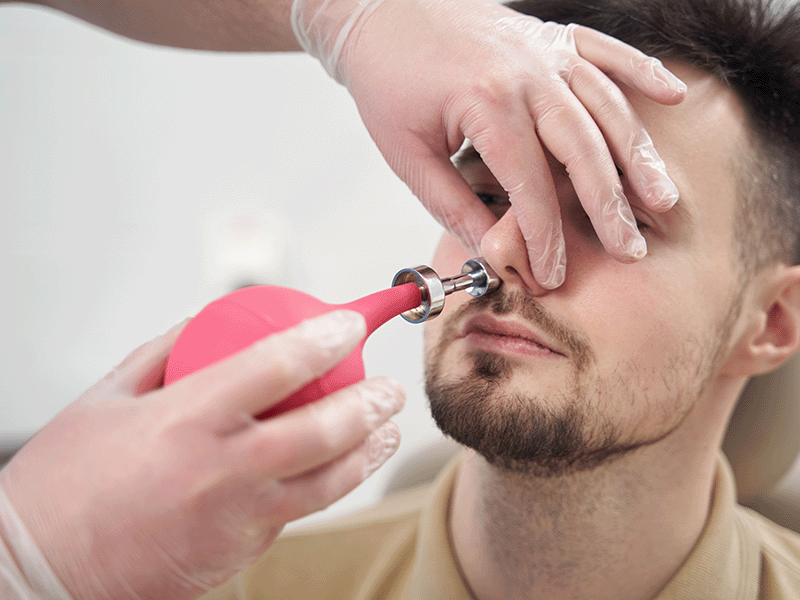 Depending on the desired final look, various procedures are applied to the bone, skin, and cartilage sections in the nose structure. Since the nasal anatomy has a complex structure, it is extremely important to choose a successful plastic surgeon in the field. Before beginning the rhinoplasty treatment, consultation is made between the patient and the doctor. During the consultation process;
- • The doctor listens to patients' expectations and complaints. He examines the patient's nose structure and requests some medical tests. The surgeon considers the patient's medical history and decides whether she/he is suitable for surgery. Finally, the decision for the surgery date is made. In order to observe the difference between before and after a nose job, facial photographs are taken from the best angles both before and after the operation.
- • The method varies according to which operation should be applied. In this regard, it is not right to say an exact duration for the operation or recovery. The ideal method is determined by the doctor and in agreement with the patient.
- • Rhinoplasty procedures are mostly performed under general anesthesia and local anesthesia. The suitability of the person for anesthesia is checked by the anesthesiologist during the examination process.
Things to Know About Rhinoplasty Recovery Process
Just like the treatment, the recovery process also varies according to the operation. Factors such as the general health status of the patient, post-operative care, and the surgeon's talent affect the recovery. The incision area is dressed, and a splint is attached to the nose and removed in approximately 7-10 days. Swelling, bruising, and pain may be experienced around the surgical region. There are some common factors to be considered after the surgery. For example, exercises that involve strenuous physical movements should not be done for a certain period of time. Facial muscles should not be irritated. You shouldn't wear sunglasses. It is essential that you follow the doctor's instructions and you can speed up the healing process by paying attention to post-operative care.
FAQ
After rhinoplasty surgeries, the patient may feel a certain degree of pain. Pain level changes on the type of procedure, but typically, intense pain does not occur during the process. The doctor prescribes painkillers for relieving the pain.
Since rhinoplasty operations are performed under anesthesia, the patient does not feel any pain during the operation. It is determined by the doctor whether general anesthesia, local anesthesia or sedation will be applied.
The effects of treatments within the scope of rhinoplasty are permanent. Of course, it would be more beneficial to maintain a healthy lifestyle and pay attention to the facial area.
SIMILAR TREATMENTS


CONTACT
You can send your questions, opinions and suggestions to us filling the information below. We will contact with you as soon as possible.
Information
Örnek Mahallesi, Ercüment Batanay Sk. No:14A, 34704 Ataşehir/İstanbul
